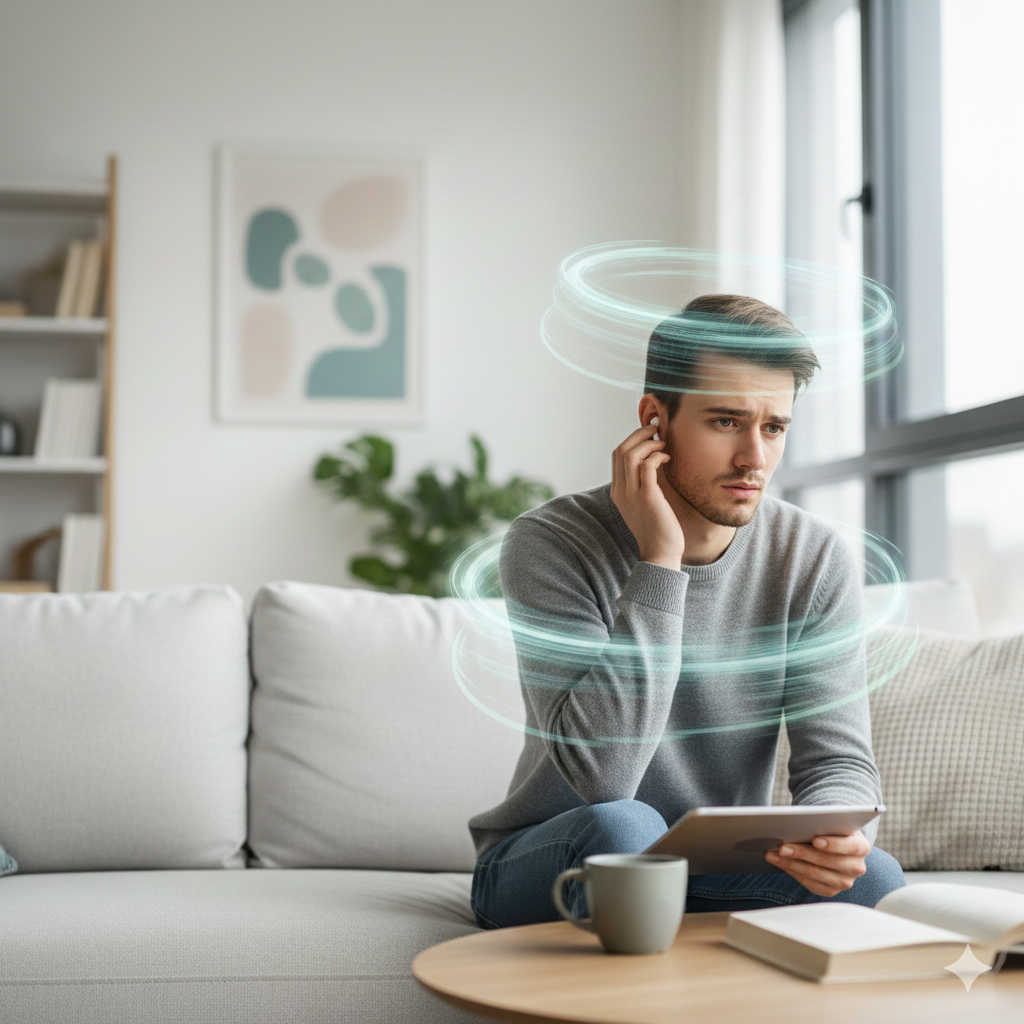
Wireless earbuds and in-ear headphones have become part of everyday life. People use them while commuting, studying, exercising, gaming, and relaxing. Their convenience and portability make them almost indispensable. However, some users report dizziness or spinning sensations after long listening sessions, which raises an important question — can earbuds cause vertigo?
This article explores that question in depth. You’ll learn what vertigo is, how earbuds interact with your ear and balance system, why some people experience symptoms, and what practical steps you can take to protect your hearing and well-being.
Rather than sensationalizing the topic, the goal here is to present a clear, human-focused explanation so readers can make informed decisions about safe earbud use.
Understanding Vertigo and How It Affects You
Vertigo is not simply feeling lightheaded. It is a specific sensation where you feel as though you or your surroundings are moving or spinning. It can last seconds or hours and may include:
- Nausea
- Loss of balance
- Sweating
- Difficulty focusing
- A feeling of instability while walking
Most vertigo episodes originate from the inner ear, where your body’s balance system resides. Tiny fluid-filled canals and sensory structures monitor motion and orientation. When something interferes with these signals — such as inflammation, pressure changes, or crystal displacement — the brain receives conflicting information, leading to vertigo.
Because earbuds sit directly in the ear canal, many people wonder whether they could disrupt this delicate system.
Do Earbuds Directly Cause Vertigo?
For the majority of users, earbuds do not cause vertigo. Millions of people use them daily without experiencing balance problems. However, under certain circumstances, earbuds may contribute to dizziness or trigger symptoms in individuals who are sensitive or already prone to vestibular issues.
Think of earbuds less as a direct cause and more as a possible contributing factor. They can introduce conditions that stress or irritate the ear — such as loud sound levels or pressure changes — and these conditions may provoke vertigo in some users.
This distinction matters because vertigo often has underlying medical causes unrelated to audio devices. If symptoms persist, earbuds are rarely the sole explanation.
How Earbuds Might Trigger Vertigo Symptoms
There are several plausible mechanisms that explain why some users feel dizzy or disoriented when using earbuds.
Pressure and Sealing of the Ear Canal
In-ear devices create a seal inside the ear canal. This seal can alter air pressure and produce a blocked or vacuum-like sensation. For individuals sensitive to pressure changes, this may lead to mild imbalance or dizziness.
Deep insertion or tight ear tips increase this effect. Prolonged wear can also amplify discomfort and contribute to unusual sensations.
Listening at High Volume Levels
Sound waves at high intensity affect more than hearing alone. Extremely loud audio can overstimulate structures within the inner ear, including those connected to balance.
Extended exposure may lead to temporary disorientation or fatigue within the sensory system. This is especially common when listeners increase volume to overcome background noise.
Maintaining safe listening levels is essential not only for hearing protection but also for reducing balance disturbances.
Earwax Buildup
Earbuds can push earwax deeper into the canal or trap it inside. Over time, this may lead to blockages. Impacted wax can create pressure against the eardrum, which sometimes causes dizziness or fullness sensations.
Users who wear earbuds for many hours each day may be more prone to this issue, particularly if they rarely clean their devices.
Increased Risk of Ear Infections
Earbuds introduce warmth and moisture into the ear canal. If they are not cleaned regularly, bacteria can accumulate and lead to infections.
Inner ear inflammation associated with infection can interfere with balance signals, resulting in vertigo symptoms. While this is not extremely common, it remains a realistic possibility.
Noise Cancellation and Spatial Audio Effects
Modern earbuds often include active noise cancellation or immersive audio features that simulate movement of sound sources. These technologies alter how the brain perceives environmental cues.
In certain individuals, especially those prone to motion sensitivity, these altered sensory signals may create disorientation similar to motion sickness.
Muscle Tension and Postural Strain
Uncomfortable earbuds can lead to jaw clenching or neck tension. Extended strain in these areas can contribute indirectly to headaches or dizziness. Though not related to the inner ear directly, physical discomfort can still produce symptoms resembling vertigo.
Who Is More Likely to Experience Vertigo from Earbud Use
Not everyone shares the same level of susceptibility. Some groups are more likely to notice symptoms:
- People with existing balance disorders
- Migraine sufferers
- Individuals with chronic sinus or ear issues
- Users sensitive to pressure changes
- Those recovering from ear infections
If you fall into one of these categories, extra care when using earbuds may be beneficial.
Common Signs You Should Pay Attention To
Occasional mild dizziness may not be serious. However, recurring symptoms deserve attention. Watch for:
- Spinning sensations after listening sessions
- Persistent ear fullness
- Ringing or discomfort
- Difficulty maintaining balance
If these symptoms appear frequently, reducing earbud use temporarily and consulting a healthcare professional is wise.
Practical Tips for Using Earbuds Safely
Control Listening Volume
A helpful guideline is to keep audio at moderate levels where you can still hear surrounding sounds. Lower volume reduces strain on the ear and decreases the chance of sensory overload.
Take Listening Breaks
Continuous use for hours can fatigue auditory and vestibular systems. Taking periodic breaks allows your ears to recover and maintain comfort.
Maintain Proper Hygiene
Regularly clean earbuds with a soft cloth or alcohol wipe. Avoid sharing them with others. Clean ears gently without inserting objects deeply into the canal.
Ensure Comfortable Fit
Earbuds should sit securely but not tightly. Experiment with tip sizes to find the most natural fit. Discomfort often signals improper insertion.
Avoid Wearing Them During Sleep
Sleeping with earbuds can increase pressure and reduce ear ventilation. This may raise the likelihood of irritation or dizziness.
Adjust Advanced Audio Features
If noise cancellation or spatial sound causes discomfort, try turning these features off. Personal comfort should guide your listening configuration.
Alternative Listening Options
If earbuds consistently cause discomfort, alternatives exist:
- Over-ear headphones that don’t seal the canal
- Open-ear audio solutions
- External speakers
Switching formats may significantly improve comfort while preserving listening enjoyment.
When to Seek Medical Advice
Vertigo that occurs frequently, intensifies, or disrupts daily life should not be ignored. Professional evaluation can identify underlying conditions such as inner ear disorders or neurological causes.
Self-diagnosing based on earbud use alone may delay proper treatment.
Broader Health Considerations of Earbud Overuse
Beyond vertigo concerns, excessive use may also contribute to:
- Hearing fatigue
- Increased wax accumulation
- Ear canal irritation
- Sleep disruption
Balanced listening habits support overall ear health and long-term well-being.
Final Thoughts
Earbuds are not inherently harmful, and for most users they pose minimal risk when used responsibly. However, they interact closely with the body’s hearing and balance systems, which means improper use or individual sensitivity can sometimes lead to dizziness or vertigo.
Understanding potential triggers — pressure, volume, hygiene, and prolonged use — empowers you to make smarter choices. Moderation, awareness, and comfort should guide how you incorporate earbuds into your routine.
If symptoms appear, treat them as signals worth investigating rather than dismissing. Protecting your ear health today helps ensure continued enjoyment of sound for years to come.