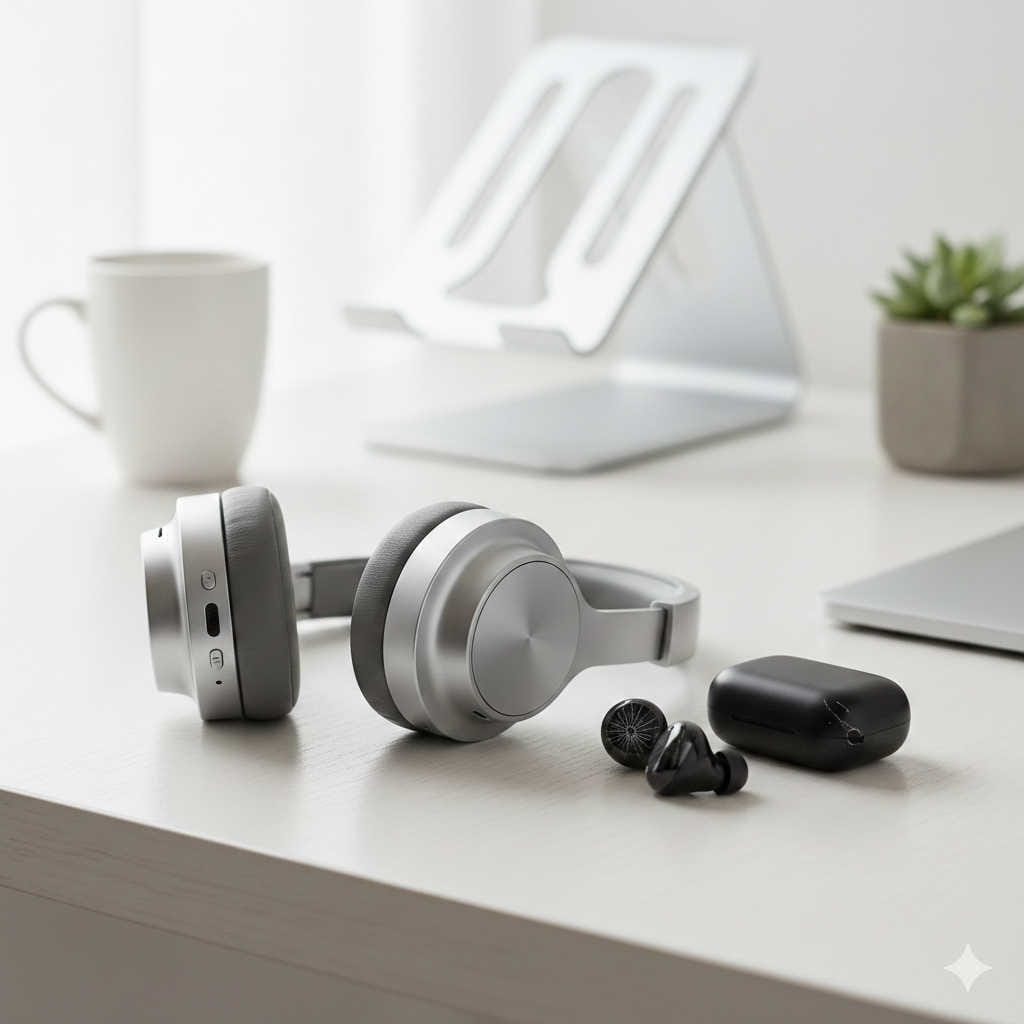
Wireless headphones are everywhere. From commuters on trains to students in libraries and athletes in the gym, Bluetooth headphones have become the default way people listen to music, podcasts, and calls.
But before buying a pair, many people ask the same question:
Do wireless headphones break easily?
The short answer is: Not necessarily — but they can wear out faster if you choose low-quality models or don’t care for them properly.
The long answer is more nuanced. In this in-depth guide, we’ll explore:
- Whether wireless headphones are less durable than wired ones
- What actually causes them to break
- How long they typically last
- Common problems users experience
- How to make your wireless headphones last longer
- What to look for when buying a durable pair
If you’re considering a purchase or wondering whether your current pair is on borrowed time, this guide will help you make smarter decisions.
Are Wireless Headphones Less Durable Than Wired Headphones?
Many people assume wireless headphones break more easily simply because they are more advanced. After all, they contain:
- Rechargeable batteries
- Bluetooth chips
- Circuit boards
- Microphones
- Charging ports
- Touch sensors or control buttons
Wired headphones, by contrast, are simpler devices. They usually contain:
- Speaker drivers
- Basic wiring
- A headphone jack
At first glance, more components might suggest more opportunities for failure. However, durability doesn’t depend on wireless technology alone. It depends on build quality, materials, battery health, and how you use them.
In fact, wired headphones often fail because of damaged cables. Frayed wires and broken connectors are among the most common headphone problems. Wireless headphones eliminate this weak point entirely.
So the real answer isn’t that wireless headphones break easily — it’s that cheaply made headphones of any type break easily.
How Long Do Wireless Headphones Usually Last?
The lifespan of wireless headphones depends on the type and how frequently they’re used. On average:
- True wireless earbuds last about 1.5 to 3 years
- On-ear Bluetooth headphones last around 2 to 4 years
- Over-ear wireless headphones can last 3 to 6 years or more
- Premium models may last even longer with proper care
The biggest limiting factor is the battery. Unlike wired headphones, wireless models rely on lithium-ion batteries, and all rechargeable batteries gradually lose capacity over time.
That doesn’t mean they suddenly “break.” It usually means:
- Battery life becomes shorter
- They need charging more frequently
- They may not hold a full charge
With good maintenance, many wireless headphones remain fully functional for years.
The Real Reasons Wireless Headphones Break
If you’re wondering why wireless headphones stop working, it usually comes down to one of these factors:
1. Battery Degradation
Every rechargeable battery has a limited number of charge cycles. Over time, the battery’s chemical components degrade.
Signs of battery wear include:
- Rapid battery drain
- Reduced playback time
- Failure to power on
This isn’t a defect — it’s normal battery aging. However, poor charging habits can accelerate the process.
2. Physical Damage
Wireless headphones are portable, which means they’re exposed to daily stress.
Common physical failures include:
- Cracked headbands
- Broken hinges
- Loose ear cups
- Damaged charging ports
- Snapped internal wiring
Dropping headphones repeatedly or tossing them loosely into a bag significantly increases the risk of breakage.
3. Sweat and Moisture Damage
Sweat contains salt, which can corrode electronic components over time. Even headphones labeled as sweat-resistant aren’t immune to long-term moisture exposure.
Moisture can cause:
- Audio imbalance
- Charging problems
- Complete failure
If you use headphones during workouts, always wipe them down afterward.
4. Charging Port Wear
Frequent plugging and unplugging can wear out charging ports. Using incompatible cables or applying too much force can also damage internal connectors.
A faulty charging port often feels like the headphones are “dead,” when in reality they simply aren’t receiving power.
5. Software and Connectivity Issues
Sometimes, what appears to be a broken headphone is actually a software problem.
Common Bluetooth issues include:
- Connection drops
- Pairing failures
- Audio lag
- One side not syncing
These problems are often fixed by resetting the headphones or updating firmware.
Do Expensive Wireless Headphones Break Less Often?
Generally, yes.
Higher-end wireless headphones tend to use:
- Stronger plastics or metal reinforcement
- Better hinge engineering
- Higher-quality batteries
- Improved water resistance
- More reliable Bluetooth chips
They also often offer replaceable ear cushions and better warranty coverage.
That said, price alone doesn’t guarantee durability. It’s important to research real-world reviews and check build quality details before buying.
True Wireless Earbuds vs Over-Ear Headphones: Which Last Longer?
If durability is your priority, you may wonder which type is more reliable.
True Wireless Earbuds
Pros:
- Compact and portable
- No headband to break
- Often come with protective charging cases
Cons:
- Small batteries degrade faster
- Easy to lose
- More exposed to sweat
- Delicate internal components
Over-Ear Wireless Headphones
Pros:
- Larger batteries
- Stronger structure
- Often better durability overall
Cons:
- Hinges can break
- Bulkier to store
In general, over-ear wireless headphones tend to last longer because of their larger batteries and sturdier build. However, careful use can extend the lifespan of either type.
Common Wireless Headphone Problems (And What They Mean)
Here are typical issues people experience — and what they actually indicate.
One Side Stops Working
This can be caused by:
- Loose internal wiring
- Driver failure
- Bluetooth sync issue
- Debris blocking the speaker
Try resetting the headphones before assuming permanent damage.
Headphones Won’t Turn On
Possible causes:
- Fully drained battery
- Faulty charging cable
- Charging port damage
- Battery failure
Always test with another cable before replacing the headphones.
Battery Dies Too Quickly
Often due to:
- Natural battery aging
- High volume usage
- Frequent full discharges
- Long-term overcharging
Poor Bluetooth Connection
Usually caused by:
- Interference from other devices
- Outdated firmware
- Obstructions
- Weak signal range
Most connection issues are not hardware failures.
How to Make Wireless Headphones Last Longer
If you want to prevent your wireless headphones from breaking prematurely, follow these practical tips:
Store Them Properly
Always use the provided case. Avoid stuffing them loosely into backpacks or pockets.
Avoid Extreme Temperatures
Heat accelerates battery degradation. Never leave headphones in a hot car.
Practice Smart Charging Habits
- Avoid letting the battery drop to 0% frequently
- Don’t leave them charging for days
- Use the recommended charger
Partial charging cycles are better than complete drain-and-charge cycles.
Clean Them Regularly
- Wipe off sweat
- Remove debris from charging ports
- Clean ear tips gently
Dirt buildup can cause both sound and charging problems.
Handle Hinges Carefully
For over-ear models, avoid overstretching the headband or twisting ear cups beyond their natural range.
Are Wireless Headphones Waterproof?
Most are not fully waterproof.
Some models offer water resistance ratings, such as splash or sweat resistance. However, water resistance can diminish over time.
Even if your headphones are marketed for workouts, it’s wise to minimize direct exposure to heavy rain or prolonged moisture.
Can Wireless Headphones Be Repaired?
Repairability depends on the model.
Often repairable:
- Ear cushions
- Ear tips
- Charging cables
- Some batteries (in select premium models)
Difficult to repair:
- Internal Bluetooth chips
- Circuit boards
- Miniature drivers
- Severe water damage
Many budget headphones are designed for replacement rather than repair. Premium models may offer parts and support services.
Signs Your Wireless Headphones Are Near the End of Their Life
Look for these indicators:
- Battery drains in under an hour
- Persistent charging failures
- Structural cracks in the frame
- Distorted sound even after cleaning
- Bluetooth constantly disconnecting
If multiple symptoms appear simultaneously, replacement may be more cost-effective than repair.
Are Cheap Wireless Headphones More Likely to Break?
In most cases, yes.
Lower-cost models often cut corners in:
- Battery quality
- Plastic strength
- Internal soldering
- Water resistance
- Quality control
While affordable headphones can be perfectly fine for casual use, heavy daily users may find they wear out more quickly.
So, Do Wireless Headphones Break Easily?
Wireless headphones do not inherently break easily. They simply contain more components than wired models, which introduces additional points of potential failure.
Their durability depends on:
- Manufacturing quality
- Battery care
- Environmental exposure
- Daily handling
With proper care and thoughtful purchasing decisions, wireless headphones can last several years — often as long as, or longer than, wired alternatives.
Final Thoughts: Should You Worry About Durability?
If you choose a well-built pair and treat them with reasonable care, there’s no reason to fear that wireless headphones will break prematurely.
Focus on:
- Solid build construction
- Good warranty coverage
- Sensible charging habits
- Careful storage
Wireless technology itself isn’t the problem. Poor design and rough handling are.
When chosen wisely and maintained properly, wireless headphones are durable, reliable, and built to handle everyday life.